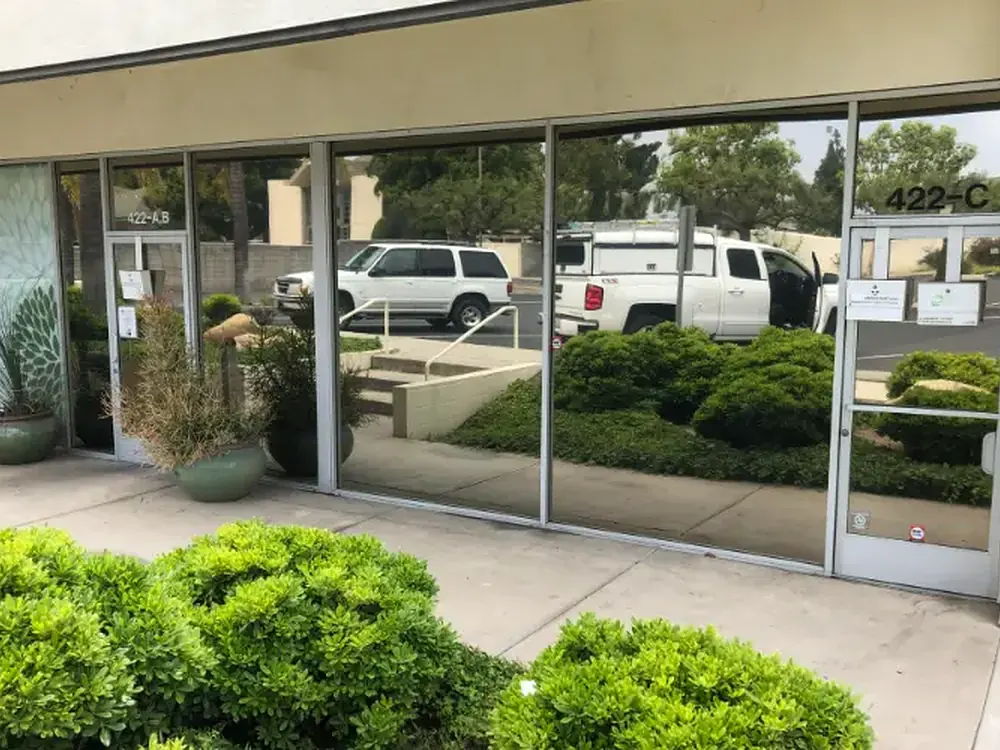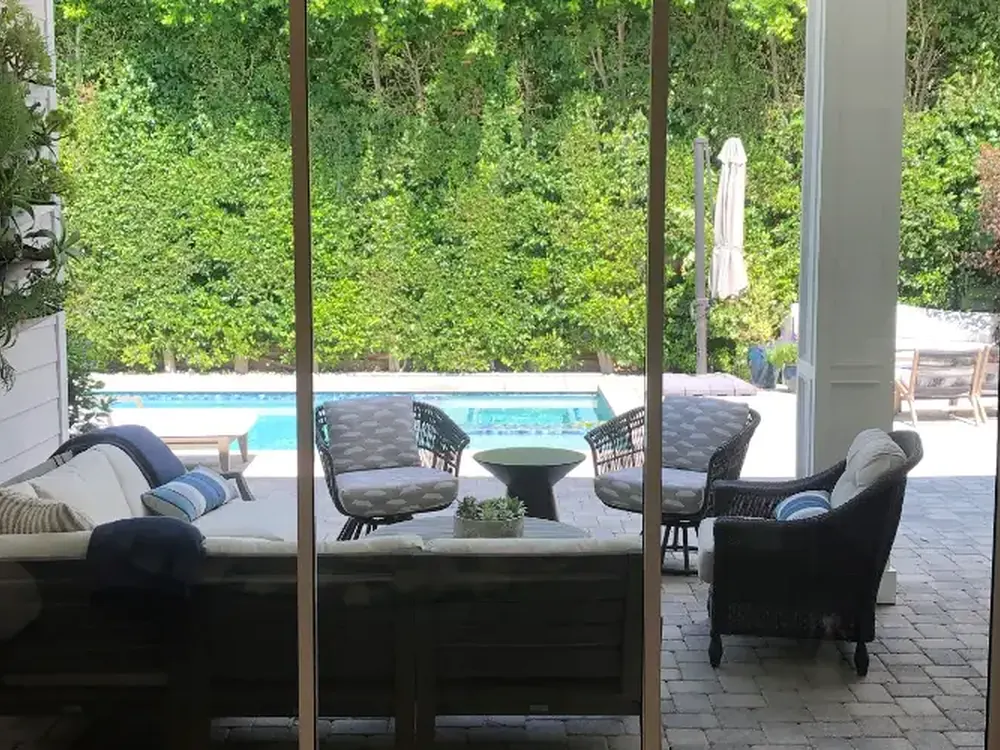
The standard energy advice for an inefficient building is to replace the glazing. For a great many buildings in this city that advice is simply unavailable — the windows are original, they're part of what makes the structure significant, and replacing them ranges from discouraged to not approvable. Which makes film less of an alternative and more of the only option.
Where the cooling load comes from
In a glass-heavy building, solar heat gain through windows is one of the largest single contributors to cooling demand. Sun hits the glass, energy passes through, and the HVAC system spends the afternoon removing heat that arrived for free.
The governing figure is the solar heat gain coefficient — the fraction of solar energy that gets through the glass. Clear single-pane sits around 0.8, meaning roughly 80% comes straight in. Given that original glazing is by definition single-pane clear glass, historic buildings start from close to the worst case available. A well-specified solar control film pulls that number down substantially without touching the glazing.
Why replacement often isn't on the table
On a landmark or contributing structure, original windows are frequently treated as a character-defining feature, and their replacement is restricted accordingly. Even where it's technically permitted, the review process, the cost of period-appropriate replacements, and the loss of original fabric make it a poor trade.
Interior-applied film sidesteps all of it. It changes nothing about the exterior appearance, it's entirely reversible, and it doesn't touch the original fabric of the building. That combination is why it tends to be the acceptable answer where nothing else is — and it's worth raising early with a reviewer, because it usually is not treated as an alteration at all.
Getting a number you can trust
Any figure quoted before someone has walked the building is invention. A proposal worth taking seriously sets out its basis:
- Glass area recorded per elevation, with aspect and existing construction noted.
- The manufacturer's solar heat gain, light transmission, and infrared numbers for the exact product proposed.
- Solar heat gain modelled before and after against your own glass, not a worked example.
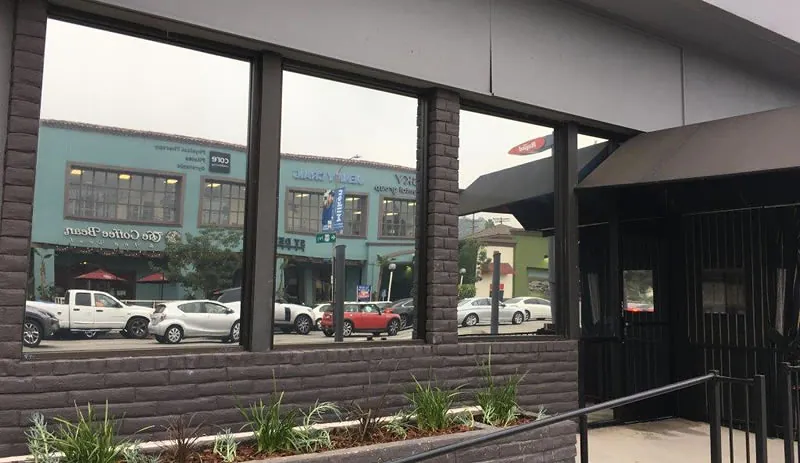
- Exterior visible reflectance, so you know what the elevation will look like from the street.
That last one belongs on every historic-building proposal and is missing from most of them. It is the figure a design reviewer will care about, and finding out after installation is an expensive way to learn it.
The San Gabriel Valley makes the case easier
The economics here are genuinely favourable. The cooling season is long and hot — September routinely outdoes July — commercial rates in the region are high, and there is very little heating load to give back in winter, which is the trade-off that undermines solar film in colder climates.
Add that film installs from the interior, overnight, with no scaffolding, no permits, and no tenant relocation, and the disruption cost rounds to zero. Payback on the elevations that matter commonly lands inside a few years.
Title 24 and rebates
California's Title 24 standards apply when you alter a building envelope, and window film can contribute toward compliance on retrofit projects. Regional utility efficiency programmes have at various points offered incentives for solar control film — worth checking, because programmes change and the paperwork is straightforward when it applies.
We provide performance documentation for both, the same package we'd hand an energy consultant, included whether or not you file anything. If you want an assessment with real numbers on your glazing, get in touch and we'll survey the building at no cost.