The thing that makes a Craftsman interior extraordinary — deep quartersawn oak, original finishes, art glass throwing colour across a room — is the thing sunlight is most efficient at destroying. It happens slowly enough that nobody catches it, and it can't be reversed. Here's what's actually going on and what can be done about it.
Four causes, and UV is only the biggest
Ultraviolet light gets the blame and does roughly 40% of the damage. Visible light contributes about another 25%, heat around 25%, and the rest comes down to humidity and the intrinsic stability of the dye, stain, or finish.
That breakdown is how to read film marketing honestly. "Blocks 99% of UV" is completely true and substantially incomplete — nearly every quality film does it, including clear security film. It removes the largest single cause. Getting at the remaining 60% needs a product that also cuts visible light and infrared heat.
Why period interiors are unusually vulnerable
Modern polyurethane floor finishes contain UV inhibitors. The shellac, wax, and early varnish finishes original to Arts and Crafts houses do not, and they degrade faster and less evenly. The same is true of period textiles, which used dyes with far less light stability than anything manufactured today.
Then there's the specific problem of quartersawn oak, which is the signature material of the style. Its medullary ray figure — the flecking that makes it worth what it's worth — is created by a difference between two parts of the wood grain, and sun exposure narrows that difference. The floor doesn't just get lighter; it gets less interesting, and refinishing does not bring it back.
What's most at risk
Roughly in order of how quickly you'll see it:
- Works on paper, photographs, and textiles — watercolours and silk can shift visibly in a single season.
- Original oil, shellac, and wax finishes, which have no UV inhibitors at all.
- Quartersawn oak flooring, where fade attacks the ray figure specifically.
- Period built-ins and wood trim, which yellow and chalk before the wood beneath changes.
- Rugs and upholstery, where reds and blues go first.
For houses with real artwork this stops being a comfort question and becomes a conservation one. Museums hold galleries to strict lux and UV limits for exactly this reason, and a living room with a wall of south-facing glass runs far outside those limits every day of the year.
The film can be completely clear
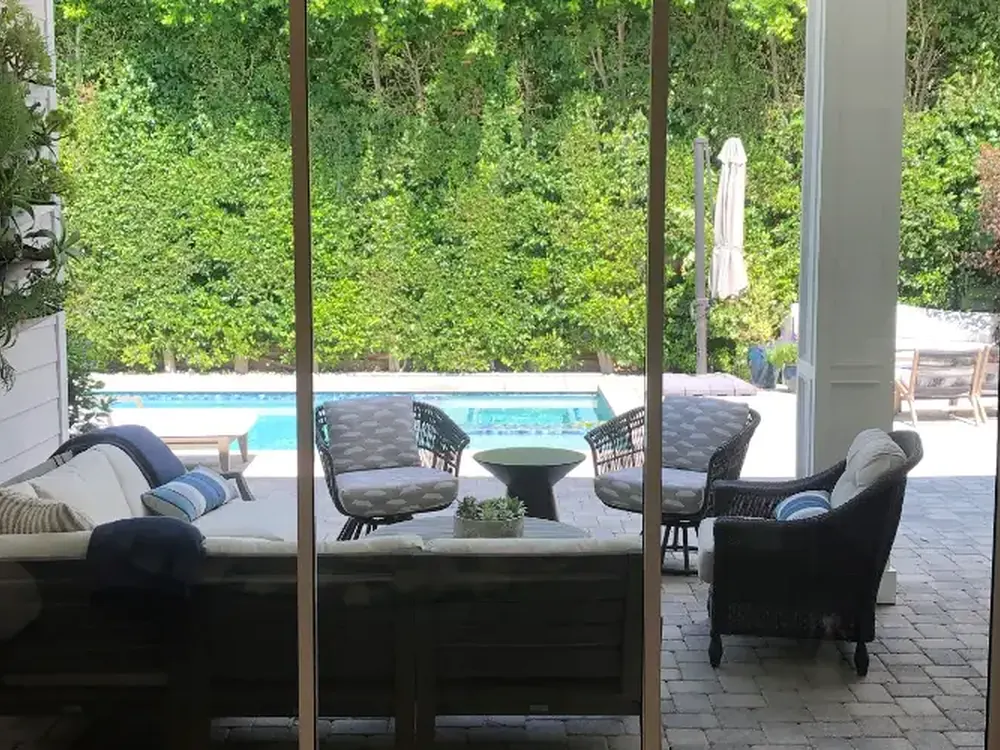
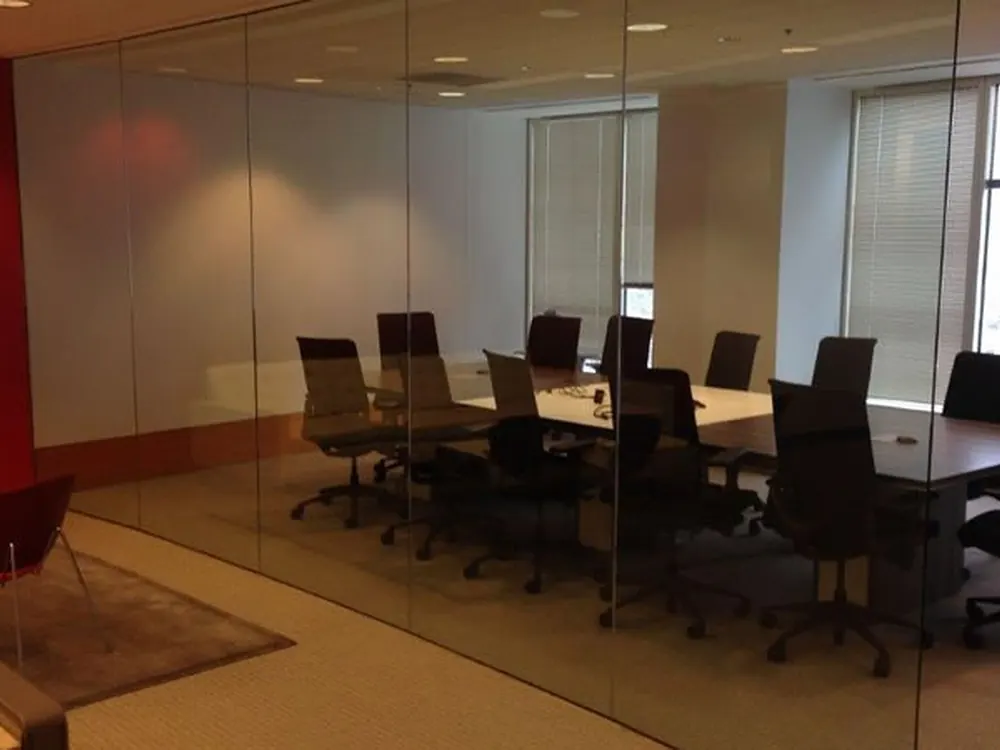
This is the part homeowners are most relieved to hear. If your concern is fade rather than heat, the product that does the heavy lifting is a clear UV-blocking film that changes nothing about how the room or the elevation looks. No tint, no darkening, no reflectivity, and nothing a design reviewer would notice.
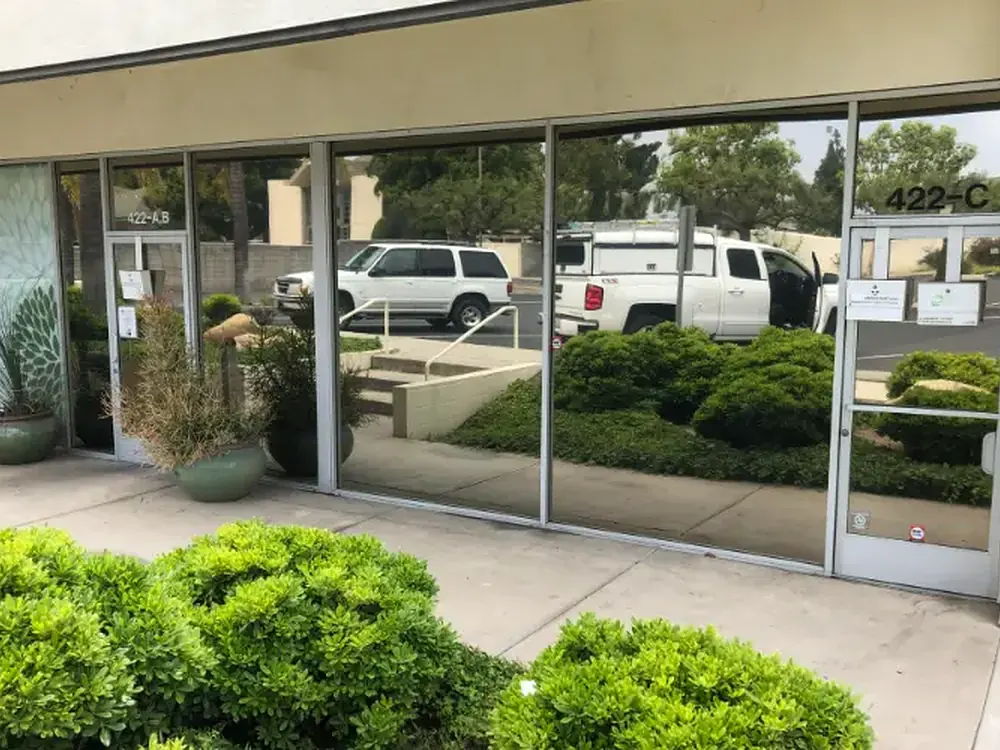
Where heat is also an issue — and in this valley in September it generally is — ceramic and spectrally selective films add serious infrared rejection while staying close to invisible. What we'd steer you away from on a period house is the older metallised product that solves heat by turning the windows into mirrors from the street.
Do it before, not after
Fading is cumulative and irreversible. Film applied today protects what remains; it restores nothing. If you're about to refinish floors, rehang work, or you've just bought a house whose previous owners left the drapes open for twenty years, that is by far the cheapest moment to treat the glass.
One caveat we'd rather give at the start: some original glazing shouldn't be filmed. Leaded and art glass panels, and certain very old or already-stressed lites, are better left alone or handled differently. Ask for a free assessment and we'll tell you which of your windows we'd treat and which we'd leave.