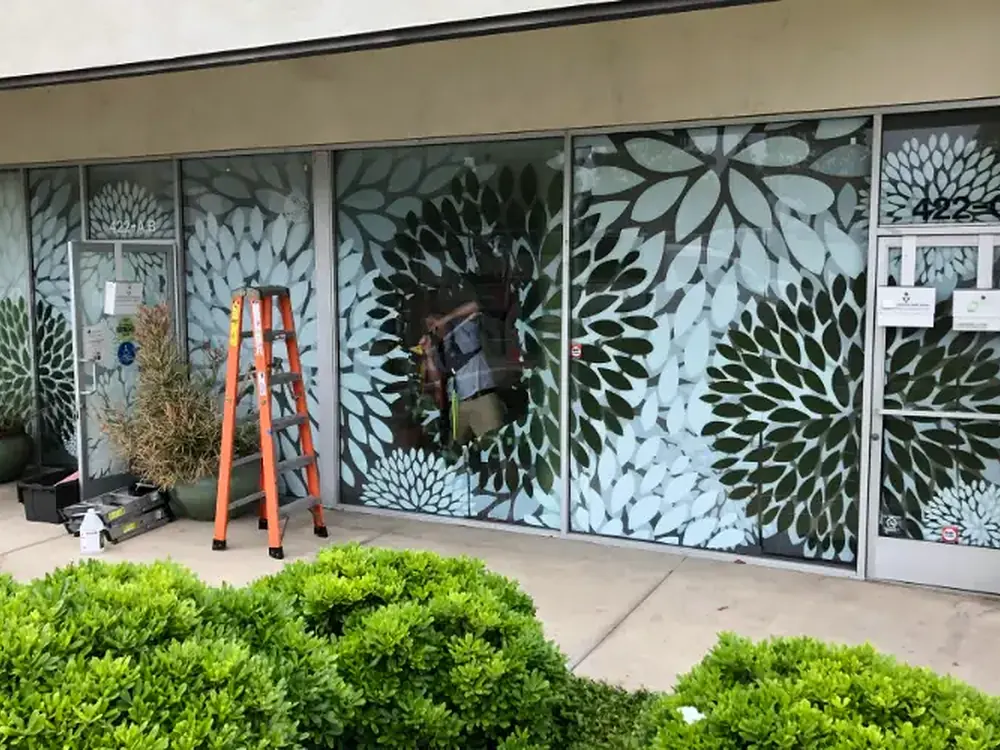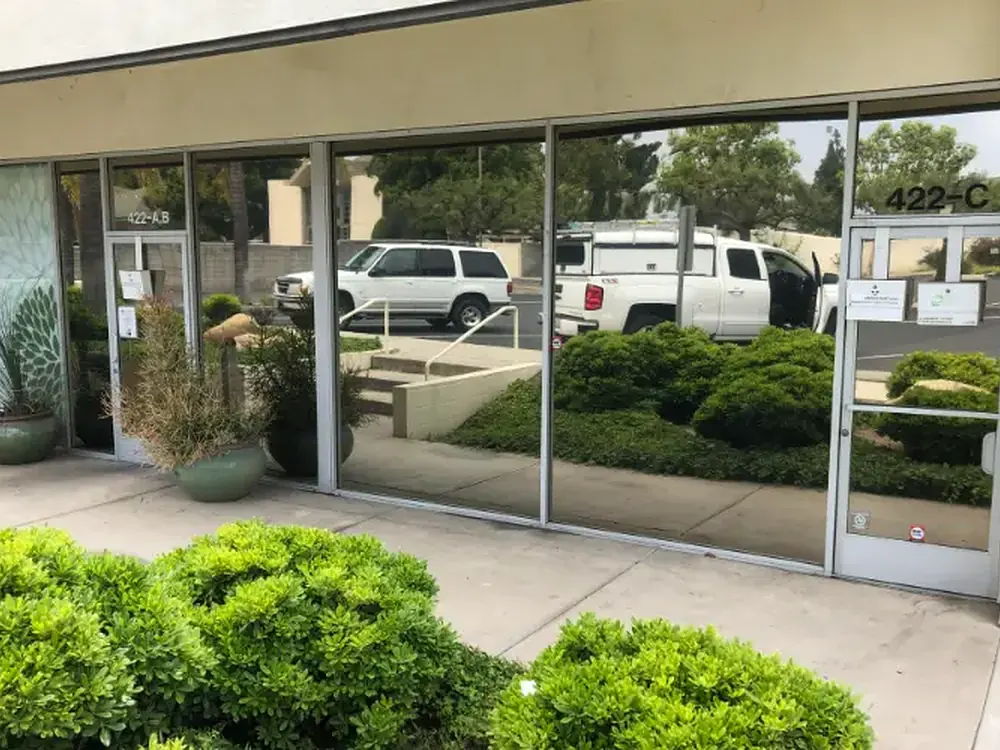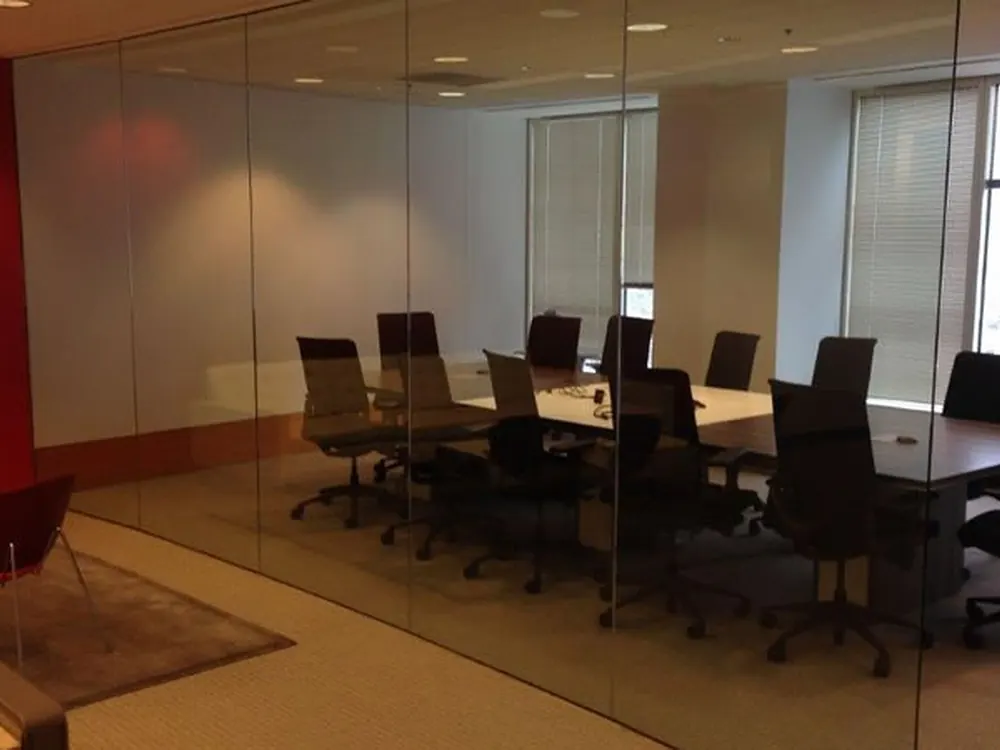
Every retailer knows roughly what a broken storefront costs — the pane, the glazier, a day closed. In a historic building on Colorado or Fair Oaks, all three of those numbers are wrong, and the third one is wrong by a lot. That gap is the entire economic case for treating the glass before anything happens to it.
The pane is not a stock size
Modern storefront systems use standardised sizes and off-the-shelf glazing. A historic frontage generally does not. The opening dimensions are whatever they were when the building went up, the glass may be a thickness no longer commonly stocked, and the surround is often original woodwork or a period metal system rather than a contemporary extrusion.
The practical result is that replacement stops being a phone call and becomes a fabrication order. Measure, order, wait, install — and while you wait, your frontage is boarded, which in a district that trades on how it looks is a cost of its own.
Tempered glass is not a security product
Worth clearing up, because it's the most common misconception we encounter. Tempering is a heat treatment that changes how glass fails — into small blunt granules rather than long blades. It's a genuine safety improvement, and it's why code requires it in storefronts and doors.
But that describes what happens after an impact succeeds. A tempered pane struck hard enough doesn't crack, it disintegrates completely and instantly, leaving a clear opening. From the point of view of someone getting in, that's a better result than annealed glass, which at least leaves jagged pieces in the way.
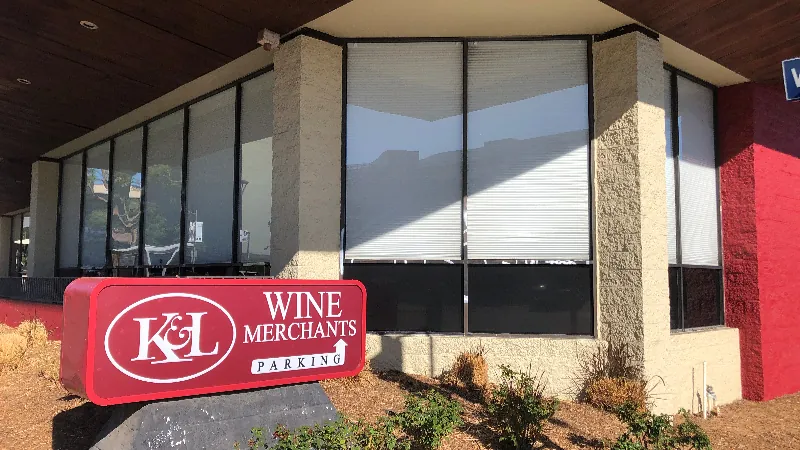
What film does about it
Security film is a thick, optically clear laminate bonded to the interior face. The pane still breaks — no film makes glass unbreakable — but the fragments stay bonded to the laminate, so instead of an opening you get a cracked, sagging, still-in-place sheet.
Two things follow. Entry that was planned to take three seconds now takes repeated loud swings at a pane that keeps refusing to open, which is enough to end most attempts. And critically for a historic frontage, the glass stays in the frame — so even a failed attempt doesn't necessarily mean a fabrication order.
- Daylight applied — the film ends at the visible edge of the glass. Adequate for containment, weakest against a determined attack.
- Edge-to-edge — the film carries on beneath the glazing bead, giving it more to hold onto.
- Wet-glazed — a bead of structural silicone ties film to frame. This is what real security work looks like.
- Mechanically attached — an aluminium batten clamps the whole system down, used where blast is the concern.
Attachment method, not film thickness, is the line item to compare between bids. Two quotes naming the same 8mil product can be doing very different things.
The etching problem is separate and more common
Forced entry is the dramatic risk. Acid etching and scratch tagging are the frequent one, and they damage glass permanently — there's no polishing it out on a large lite. On a historic pane that means the same fabrication order, triggered by something that took thirty seconds and no tools.
Anti-graffiti film handles it by putting a clear sacrificial layer in front. When a pane gets hit, we peel the film and install a fresh sheet, usually within the week. The original glass underneath is untouched. It's the difference between a maintenance visit and a restoration project.
Scope it narrowly
For most independent retail here the honest scope is smaller than what tends to get quoted. It's the door glass and sidelights, the ground-floor panes not overlooked from the street, and the display cases with high-value stock — not every pane in the frontage.
If you'd like a straight assessment of which openings are actually exposed and which need nothing, book a walkthrough. No charge, and we'll tell you where we'd spend the money if it were ours.